
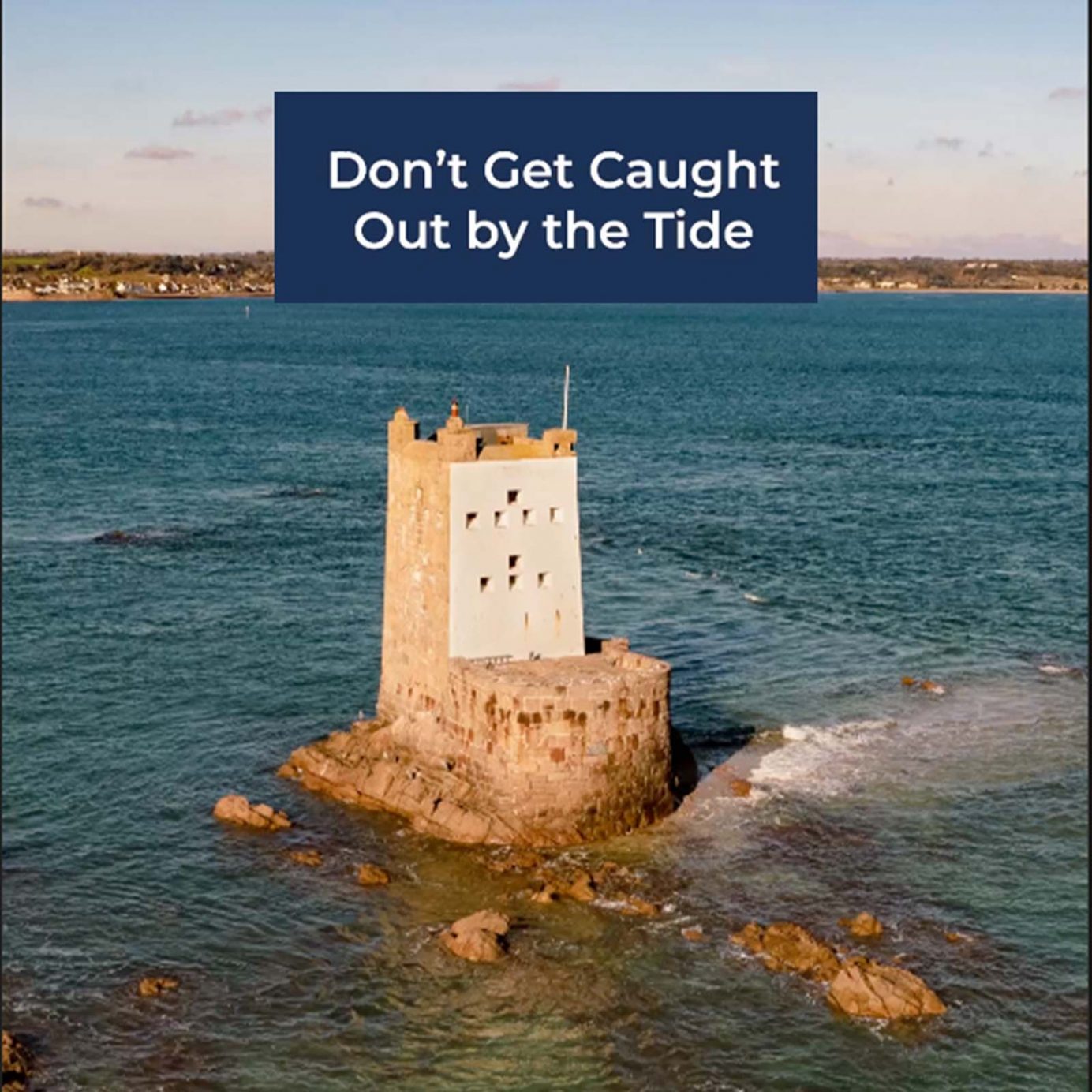
Don’t Get Caught Out by the Tide – Stay Safe on Jersey’s Coastline! Every year, people get stranded or put in danger after being cut off by the tide. Jersey’s stunning beaches and coastal walks are a big draw – but with some of the largest tidal ranges in the world, things can change fast. Here’s how to stay safe: …
Sea Safety Series: Signalling
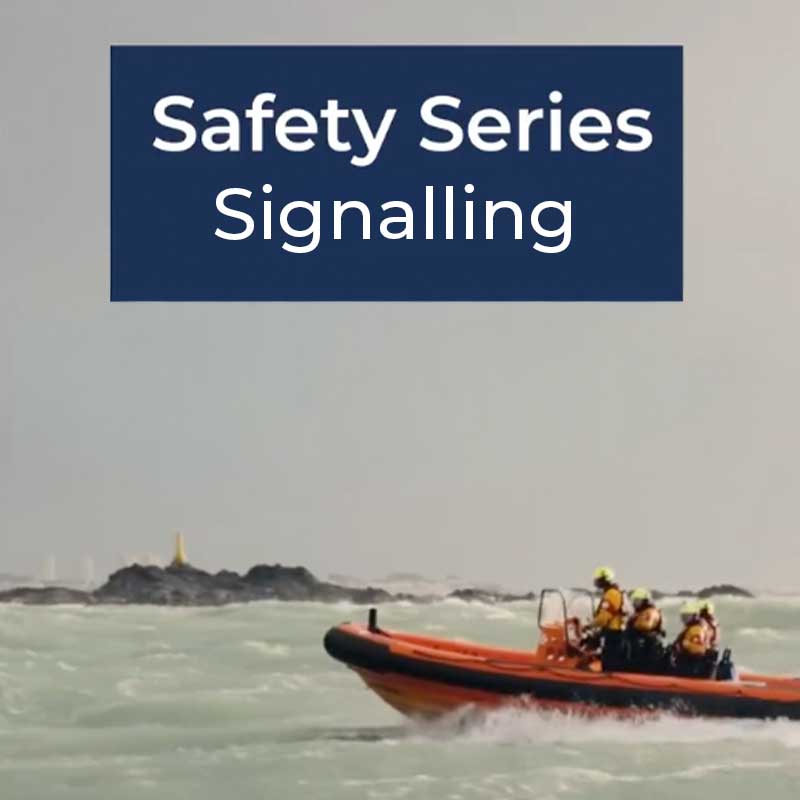
This video includes an overview on the key topics including: – Flares – Waving Arms – Mirrors – VHF Radio – Whistle and Torch – Clarity The JLA remains ready to respond, 24 hours a day, 7 days a week, 365 days a year. Please donate today Your lives, your crew, your boats.
Sea Safety Series: Fuel Checks
Most boats will have some fuel onboard and following these basic steps could keep you safe at sea. This video includes an overview on many key topics including: – Fuel safety – Know your range – Filters and traps – Emergency shut offs – Inspection and maintenance The JLA remains ready to respond, 24 hours a day, 7 days a …
Sea Safety Series: Boat Checks
Safety at sea is such an important aspect for every boat owner. We are keen to pass on our knowledge in small, bitesized junks to make you think about each one. – Personal safety – Navigation and comms – Weather – Cleaning and repair – Electronics The JLA remains ready to respond, 24 hours a day, 7 days a week, …
Sea Safety: Lifejackets

Sea Safety: Lifejackets How to use them Lifejackets A lifejacket is a buoyancy device designed to keep a person afloat and their head above water in the event of an emergency How they work A lifejacket with manual inflation requires the wearer to pull a cord to activate the CO2 canister, while an automatic lifejacket inflates automatically when submerged in …
Sea Safety: Make a plan

Safety Services: Make a Plan Make a plan and let people onshore know the details. 1. Have a Plan For short or long trips, prepare a detailed plan covering your entire trip. 2. Route Set out your route and consider hazards. Consider time, localised hazards and tidal constraints. 3. Tides and Currents Consider the tides, currents and amount of daylight. …
Sea Safety: Boat Checks

Safety Services: Boat Checks Regular basic checks on all boats can help save lives at sea. 1. Water Check water filters for dirt and other objects. 2. Oil Check dipstick levels. Remember operating temperatures. 3. Batteries Check for leaks. Check charge levels. 4. Belts Check engine belts. Check water pumping. Important for generators and alternators. 5. Levels Fresh water or …
Sea Safety: Trace Apps

Safety Services: Trace Apps Mobile Apps for Marine Navigation. Tablets and mobile phones can do most of the things that marine chartplotters can do. 1. Stand alone or integrated? Both have benefits so you need to consider what is best for you 2. Where will device be located? Easy access but best to be protected 3. Power source. Consider battery …
Sea Safety: Safety Flares
Safety Services: Safety Flares 1. What are Flares? Boat flares are essential safety devices used by mariners to signal for help or communicate distress in emergencies. 2 Types of Flares Type A: Rocket parachute flare (red) Type B: Multi-star flare (red) Type C: Hand-held flare (red) Type D: Smoke signal—buoyant or hand-held (orange) 3 Red parachute rocket flares The red …
Sea Safety: VHF Radio
Safety Services: VHF Radio. Some simple rules VHF Radio Channels Channel 14 – St Helier VTS Channel 16 – Emergency Channel Channel 25/82 – Jersey Coastguard VHF Antenna Install to maximise communication range. Position at the highest point possible. Voice Procedure Useful for general info. Clear speaking: Keep it simple; keep it calm Ship to Ship Communicating with other vessels …